

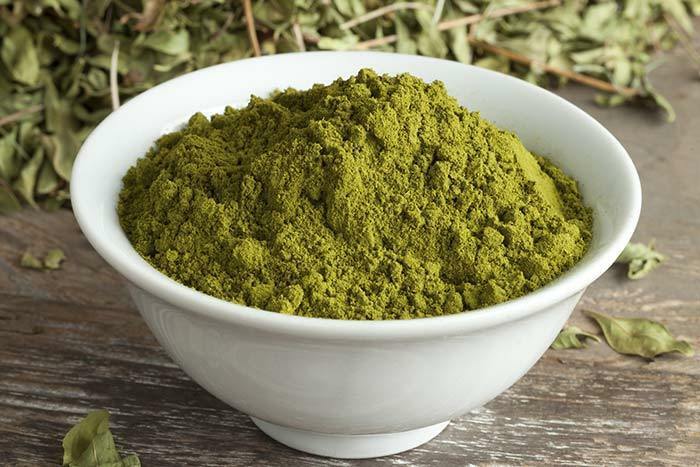
Henna — known as Ḥinnā’ (الحناء) — is one of the most important herbal medicines in Prophetic tradition.
It is:
cooling
anti-inflammatory
antibacterial
soothing
beautifying
spiritually purifying
Henna is used for:
wounds
burns
inflammation
hair strengthening
headache relief
skin issues
beautification
It is a plant deeply tied to both healing and Sunnah practice.
📜 Henna in the Sunnah
⭐ 1. The Prophet ﷺ recommended henna for wounds
“Use the henna, for it heals wounds.”
— Mishkat al-Masabih, 4541
This shows henna’s strong antiseptic and healing properties.
⭐ 2. Henna was used for burns and inflammation
The Prophet ﷺ instructed the use of henna for:
treating injuries
cooling burns
reducing swelling
Classical scholars recorded that the Sahabah used henna extensively for pain relief and wound healing.
⭐ 3. Henna for headache
Some weak narrations mention henna being applied on the head for headaches, and classical scholars supported its use for cooling and relief.
⭐ 4. Henna for beautification
Henna was used by:
women for hands and feet
men for dyeing hair and beard
elders for strengthening hair
While not obligatory, it is a Sunnah of beautification and dignity.
🌿 Why Henna Is Special in Tibb-e-Nabawi
 Henna is:
cooling (excellent for heat illnesses)
anti-fungal
anti-bacterial
anti-inflammatory
tissue-regenerating
It is one of the few herbs recommended in Sahih Hadith as a medicine.
In prophetic times, henna was:
applied to wounds
used for skin diseases
used for hair strengthening
applied for joint pain
It remains one of the most beneficial natural remedies today.
🌱 Healing Benefits of Henna (Sunnah + Modern Evidence)
⭐ 1. Heals Wounds & Burns
As the hadith says, henna:
speeds up healing
reduces inflammation
prevents infection
cools the burn area
Perfect for:
minor burns
cuts
abrasions
⭐ 2. Relieves Joint Pain & Inflammation
Henna paste is used for:
arthritis
swelling
joint stiffness
Its cooling nature reduces inflammation naturally.
⭐ 3. Soothes Headaches
Henna paste applied on:
the scalp
the forehead
Helps calm:
migraines
heat-related headaches
 ⭐ 4. Strengthens Hair & Prevents Hair Fall
 ⭐ 4. Strengthens Hair & Prevents Hair Fall
Henna:
thickens hair
strengthens roots
reduces dandruff
prevents breakage
Leaves hair shiny and healthy.
⭐ 5. Treats Fungal & Bacterial Skin Conditions
Henna is excellent for:
athlete’s foot
eczema patches
ringworm
minor infections
Its natural antimicrobial power aligns with the hadith recommendation.
⭐ 6. Reduces Heat & Fever
Applied to palms and soles, henna helps reduce:
body heat
fever
inflammation
⭐ 7. Beautifies Hands & Feet
Henna art is a Sunnah practice of:
joy
celebration
modest beautification
Especially common for:
weddings
Eid
special occasions
🥣 How to Use Henna (Sunnah-Inspired Applications)
⭐ 1. For Wounds or Burns
Make a thick paste with water.
Apply gently on the affected area.
Let it dry → rinse.
⭐ 2. For Headaches
Apply a light henna paste to:
forehead
scalp
Its cooling effect brings relief.
⭐ 3. For Joint Pain
Mix henna with:
warm water
or olive oil
Apply to swollen joints.
⭐ 4. For Hair Strengthening
Make a henna paste using:
warm water or tea
optional: black seed oil, olive oil
Apply 30–45 minutes.
Strengthens and nourishes hair.
⭐ 5. For Skin Issues
Apply henna paste to:
fungal areas
infected spots
eczema patches
⭐ 6. Beautification Sunnah
 ⭐ 6. Beautification Sunnah
Women may apply henna to:
hands
nails
feet
A practice allowed and encouraged.
Men may apply henna for:
beard coloring
treating grey hair (instead of pure black dye)
⚠️ Precautions
Do not use chemical “black henna” — it is harmful.
Patch test before using if you have sensitive skin.
Avoid applying henna to large open wounds.
Don’t leave henna too long on very dry skin (may cause irritation).
💛 Spiritual Reminder
Henna is both medicine and beauty in Islam.
It reflects:
purity
healing
natural beautification
gratitude for Allah’s simple gifts
When using henna, make intention:
“O Allah, grant healing and barakah through this Sunnah remedy.”
It connects your self-care with timeless Prophetic wisdom.